Flower Mandala Decorative Elements: A Versatile Graphic Design Asset for Branding
As a brand designer and content marketer, I always look for graphic design assets that not only elevate the visual appeal of marketing materials but also align with the emotional tone and messaging of the campaign. When I first reviewed Flower Mandala Decorative Elements, it immediately stood out as a creative illustration that could serve multiple purposes across different platforms. The intricate floral patterns and mandala motifs offer a unique blend of elegance and creativity—perfect for small business branding, lifestyle content, and even editorial graphics.
First Impressions and Emotional Tone
The Flower Mandala Decorative Elements pattern template evokes a sense of calm, artistry, and mindfulness. Its detailed composition suggests a handcrafted feel, which is ideal for brands focused on wellness, spirituality, or natural products. However, it's important to note that while the asset feels organic and artistic, it can still maintain a professional appearance when used appropriately. This makes it suitable for both casual and premium branding projects, depending on how you pair it with other design elements.
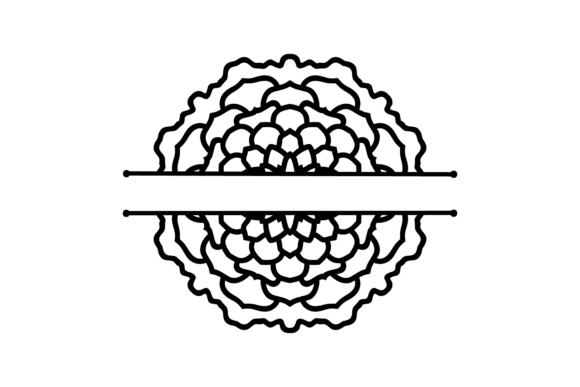
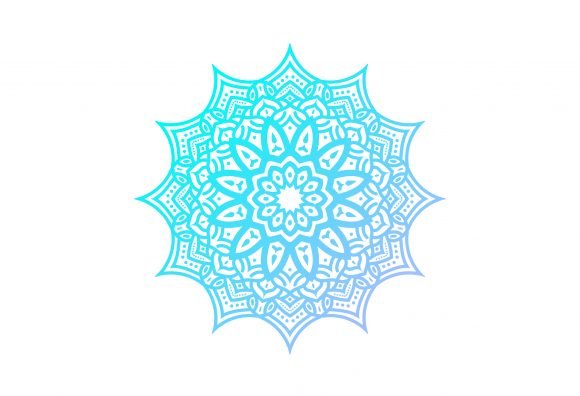
The four different styles included in this design bundle give users flexibility in matching their brand's personality. Whether your goal is to create a subtle background accent or a bold foreground element, there’s likely a version here that will fit your needs. For instance, one style might work beautifully as an Instagram post border, while another could serve as a branded header for a blog or landing page.
Practical Applications in Marketing Campaigns
I recently worked with a small wellness brand launching a new line of essential oils. Their challenge was to stand out visually without appearing cluttered or unprofessional. After testing several illustrations, I found that the Flower Mandala Decorative Elements offered just the right balance between detail and clarity. Here are some key areas where this graphic design asset performed exceptionally well:
- Social media graphics: The mandalas added depth and interest to Instagram posts and Pinterest pins without overwhelming the product imagery.
- Packaging inserts: One of the PNG files was used as a decorative watermark behind text-based instructions, enhancing the overall aesthetic without distracting from the message.
- Editorial layouts: In blog headers and printables, the SVG versions were layered beneath clean typography, creating a cohesive and polished look.
- Email banners: By using a muted color variation, we ensured the mandala didn’t compete with the call-to-action buttons, yet still contributed to a calming brand experience.
Supporting Stronger Visual Communication
One of the most valuable aspects of Flower Mandala Decorative Elements is its ability to support stronger visual hierarchy. When applied correctly, these patterns help guide the viewer’s eye through the layout by providing soft contrast and natural flow. This is especially useful for digital ads and Canva templates where attention must be captured quickly and effectively.
Incorporating these illustrations into brand identity helped establish a more memorable presence. The repeating floral motifs created a consistent visual language that appeared subtly throughout the client’s website headers, product labels, and lead magnets. This level of consistency builds audience trust and reinforces brand recognition over time.
For marketers and designers looking to create emotional connections with their audience, the mandala’s organic shape and floral details lend themselves well to themes like growth, harmony, and nature. These are powerful psychological cues that can enhance the perception of a brand as authentic and thoughtful.
Where This Design Asset Shines
After placing Flower Mandala Decorative Elements into various real-world campaigns, I’ve identified specific use cases where they perform best:
- Hero graphics: As a background layer in hero sections of websites or landing pages, they add texture and warmth without detracting from the main message.
- Campaign headers: Especially for seasonal promotions or product launches, the mandalas provide a fresh and engaging backdrop.
- Branded templates: These elements can be embedded into social media covers or email banners to maintain a unified look across all channels.
- Printable designs: When used in printables such as free guides or PDF brochures, the mandala adds a touch of sophistication and professionalism.
- Merchandise accents: On stickers, tote bags, or packaging inserts, the mandala works as a subtle yet recognizable brand symbol.
Design Limitations and Best Practices
While Flower Mandala Decorative Elements is a strong addition to many marketing visuals, there are certain contexts where caution is needed:
- Formal corporate branding: The intricate nature of the mandalas may clash with the minimalist expectations of a business-to-business (B2B) audience.
- Dense information layouts: Avoid using them in data-heavy infographics or reports where clarity takes precedence over aesthetics.
- Small mobile graphics: Some styles may become illegible or too busy at smaller sizes. Always test readability on mobile screens before finalizing designs.
- Low-contrast backgrounds: The mandala’s subtlety requires proper contrast to remain effective; otherwise, it can get lost visually.
- Overly minimal brands: If your brand relies on stark simplicity, these decorative elements may disrupt the intended visual purity.
Brand Designer Notes for Real-World Use
To ensure the mandala integrates seamlessly into your branding efforts, consider the following practical steps:
- Test with your brand color palette: Import the JPG or PNG files into your design software and see how they interact with your primary and secondary colors.
- Check black and white usage: Many brands need grayscale versions for print or accessibility. Make sure the mandala remains legible and impactful without color.
- Place it inside real campaign mockups: Evaluate how it looks in Facebook ad variations, web headers, and promotional posters to assess adaptability.
- Preview on mobile screens: Since mobile viewing dominates online engagement, confirm that the mandala doesn’t overpower the main content on smaller devices.
- Compare against competitor visuals: Ensure your use of the mandala differentiates your brand rather than blending in with others in your niche.
- Pair with different fonts: Test the design with serif, sans-serif, script, handwritten, and display fonts to find the perfect typographic balance.
- Review spacing and balance: Adjust the placement so the mandala supports the layout rather than distracts from it.
- Confirm commercial licensing: Before using the design in paid campaigns, client work, or merch, verify that the asset includes a commercial license.
Conclusion: A Valuable Addition to Your Creative Toolkit
The Flower Mandala Decorative Elements are more than just pretty illustrations—they’re strategic design assets that can enhance visual storytelling and strengthen brand perception. When integrated thoughtfully into your content marketing strategy, they help create better engagement, more memorable campaign visuals, and improved audience connection.
For creative entrepreneurs, digital sellers, and small business owners, this design bundle offers a cost-effective way to maintain a modern and professional branding approach. It’s particularly effective for those in the lifestyle, wellness, and handmade product spaces, where visual warmth and authenticity play a crucial role in consumer trust.
If you're building a content kit for upcoming social media posts, designing packaging inserts, or preparing digital ads, consider how Flower Mandala Decorative Elements can bring a touch of artistry to your work. Just remember to use them mindfully and always keep the core message front and center. With the right balance, these patterns can become a defining feature of your brand's visual voice.