Korean Round Ornament Decorative Line C Review for Embroidery Projects
As an embroidery designer with years of experience, I always look for elements that not only elevate the visual appeal of a project but also perform reliably under the needle. When I first opened Korean Round Ornament. Decorative Line C, I was drawn to its clean and elegant aesthetic. This design is more than just a decorative circle—it’s a versatile emblem that adds subtle sophistication to any embroidered item. Let me walk you through how it fits into real-world projects and what to keep in mind before using it.
First Impressions: A Balanced Blend of Simplicity and Style
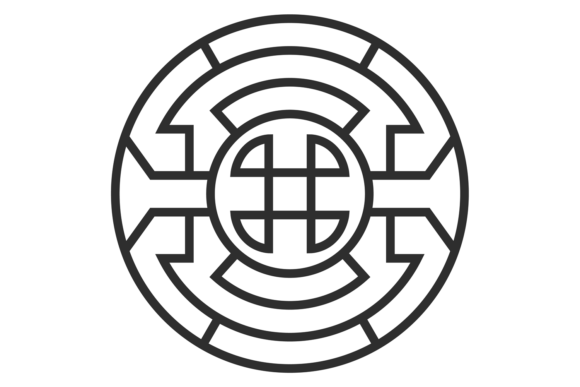
The Decorative Line C presents a circular motif filled with intricate yet harmonious line work. It doesn’t scream for attention, which makes it ideal for designs where subtlety matters. The layout is symmetrical, and the level of detail feels intentional—each curve and angle contributes to a cohesive whole. What stands out is the mood it creates: modern, cultural, and timeless. It evokes a sense of tradition with a contemporary twist, making it a great fit for handmade products or custom apparel where thoughtful design can speak volumes.
This type of embroidery file naturally belongs on items like tote bags, sweatshirts, aprons, or even nursery decor. It works especially well when paired with minimal text or simple shapes, allowing the ornament to be the focal point without overwhelming the rest of the design.
Real-World Application: Where Does It Shine?
I recently used this design as part of a holiday gift collection—custom embroidered tea towels and pillow covers. The results were impressive. The line details stitched cleanly and maintained their shape, even after multiple washes. For a small craft business owner looking to offer seasonal or boutique-style items, this is a solid choice. The design complements both monochromatic and colorful palettes, depending on your thread choices and fabric base.
- Tote Bag Design: Perfect as a corner accent or centered on the back panel. Its simplicity allows other design elements to breathe.
- Sweatshirt Embroidery: Works well as a chest emblem or sleeve graphic, especially when using contrasting thread colors.
- Baby Embroidery: The soft curves and balanced proportions make it a gentle, non-overstimulating addition to baby clothes or blankets.
- Embroidered Patch: Ideal for denim jackets or backpacks. The structure holds up well on thicker materials.
- Holiday Gifts: Added charm to personalized kitchen towels and festive aprons without being too busy.
- Etsy Listings & Craft Fair Products: As a digital embroidery file, it offers instant download value for makers who want ready-to-use assets for their handmade shop offerings.
For commercial embroidery projects, the design’s adaptability across various color schemes and product types is a major plus. Whether you're branding a small shop product or creating a unique wedding gift, the visual personality of this ornament brings a touch of authenticity and class.
Where to Use with Caution: Practical Limitations
While the Korean Round Ornament is highly adaptable, there are a few scenarios where it might need extra attention:
- Small Hoop Sizes: If you're working with tight space constraints, such as a cap or tiny patch, the fine lines may get lost or distorted. Always check the design's scalability.
- Textured or Stretchy Fabrics: On fabrics like canvas or stretchy knits, the stitch density needs careful adjustment to avoid puckering or distortion.
- Dense Stitch Areas: Because the design includes detailed linework, areas with high stitch concentration might require additional stabilizer for optimal results.
- Dark Fabric Backgrounds: While it looks sharp on light-colored materials, consider testing it on darker fabrics to ensure visibility. You might need to adjust thread colors accordingly.
- Curved Surfaces: When applying it to a curved surface like a cap, make sure the hoop size and fabric tension are set properly to prevent misalignment.
It’s also worth noting that if you plan to use this in a printable mockup or as part of a digital product preview, the transparent PNG format comes in handy for layering and editing. But don’t forget to test how it translates visually onto different materials—sometimes the printed look doesn't match the stitched one.
Thread Color Contrast and Fabric Texture Considerations
One of the key aspects I focus on when evaluating any machine embroidery design is how it interacts with thread color and fabric texture. Decorative Line C is no exception. The design itself is neutral, so the final outcome heavily depends on your thread selection. For instance, metallic threads add a luxurious flair, while variegated threads introduce movement and interest.
On thin or delicate fabrics, I recommend using a light stabilizer to maintain the integrity of the stitches. Without it, the fine linework could cause the fabric to pucker or tear. Also, if you're considering using this on a layered garment—like a vest over a shirt—be prepared to adjust the stitch density to accommodate the bulk underneath.
Designer Notes: Tips Before Sticking It In
Before adding Korean Round Ornament. Decorative Line C to your next embroidery project, here are some practical steps to ensure success:
- Test on Scrap Fabric: Always do a trial run to see how the design behaves on your specific material.
- Check Thread Color Contrast: Especially important if you're using it as a standalone element. Darker backgrounds may need lighter thread colors.
- Review Stitch Density: Adjust the settings based on your fabric thickness and desired effect. Dense stitching can enhance definition, but may risk damage on fragile materials.
- Confirm Hoop Size: If the design is large, ensure you have the appropriate hoop to prevent shifting during stitching.
- Inspect Small Details: Zoom in on the SVG or EPS files to verify that all elements will translate clearly under the needle.
- Use Proper Stabilizer: Especially for lightweight or stretchy fabrics, the right backing can make or break the final look.
- Test in Black and White: See how it holds up without color—this helps determine clarity and contrast.
- Compare Light and Dark Fabrics: Make sure the design remains visible and appealing regardless of the background.
- Confirm Licensing: If you're planning to sell finished products or digital embroidery files, double-check the licensing terms to stay compliant.
Customer Reaction and Project Value
In my experience, customers tend to appreciate subtle, high-quality design elements. The handmade presentation of a product featuring this ornament often elevates perceived value. It’s the kind of detail that says, “This was made with care,” and can significantly boost buyer engagement and trust.
When I added Decorative Line C to a series of personalized gifts for a boutique client, the feedback was overwhelmingly positive. The design didn’t overpower the customization (such as names or dates), but instead framed them beautifully. This balance is crucial for maintaining brand consistency and ensuring the final product feels premium and cohesive.
Final Thoughts: A Thoughtful Addition to Your Design Toolkit
The Korean Round Ornament. Decorative Line C isn’t just another illustration or graphic—it’s a meaningful asset that can enhance a wide range of embroidery projects. From everyday items like sweatshirts and tote bags to special occasion pieces like holiday gifts and wedding favors, this design brings a refined, culturally inspired touch that appeals to both creators and buyers.
Its giftability and ability to stand out in a handmade shop setting make it a strong candidate for inclusion in your craft business offerings. However, because it features fine linework, it requires a bit more attention in setup and execution compared to bolder motifs. That said, the payoff is a polished, professional look that aligns well with today’s market for artisanal and bespoke goods.
If you’re an Etsy seller or a small shop owner aiming to create recognizable and consistent branding, this design can help build recognition and reinforce your creative identity. Just remember to tailor your approach based on the fabric, thread, and hoop specifics of each project. With the right preparation, Decorative Line C can become a staple in your design library.