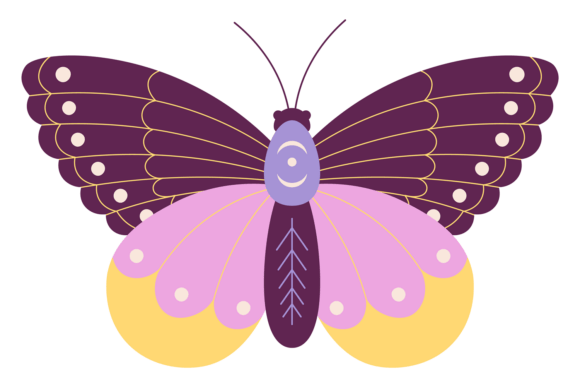
Decorative Butterfly Icon: A Practical Embroidery Design Review
First Impressions and Visual Personality
The Decorative Butterfly Icon. Wildlife Symb is a design that immediately catches the eye with its elegant simplicity. As an experienced embroidery designer, I often look for elements that evoke a feeling while maintaining versatility — and this butterfly delivers on both fronts. Its stylized form suggests a natural, organic inspiration but with enough clean lines and symmetry to feel modern and intentional.Where This Design Shines
I recently tested this butterfly icon on a custom sweatshirt project for a boutique client specializing in eco-friendly fashion. The design was placed along the sleeve seam as a subtle accent, and the result was stunning. The Wildlife Symb theme resonated well with their brand message, and customers loved the understated elegance.- Tote bag designs — Whether you're making personalized reusable bags or branding your craft shop’s merchandise, the butterfly adds a stylish focal point.
- Sweatshirt embroidery — Its soft, flowing lines complement cozy knit fabrics and don’t clash with other design elements like names or logos.
- Baby items and nursery decor — The whimsical yet refined look fits perfectly into pastel color schemes and delicate stitching styles common in baby embroidery.
- Embroidered patches — When used as an applique design, the butterfly becomes a versatile accessory for jackets, backpacks, or denim accents.
- Holiday gifts and seasonal decorations — With minimal adjustments, it can be reimagined for spring or summer collections, adding a fresh, nature-inspired touch.
Design Performance in Real Projects
One of the key strengths of the Decorative Butterfly Icon is its adaptability across various embroidery applications. Let’s break down how it performs in some real-life scenarios:Custom Apparel: On cotton blends and light-colored t-shirts, the butterfly looks crisp and vibrant. The lack of dense fill stitch areas allows for breathable fabric integrity, which is important for comfort. Using satin stitch on the outline gives a polished finish, especially when paired with high-quality thread colors.
Pillow Covers and Aprons: These are perfect for showcasing the design’s artistic side. The wings’ flow and symmetry make them visually engaging when placed near seams or corners. They also lend themselves well to mixed-media approaches, such as combining with floral or geometric patterns for a layered effect.
Boutique Branding: The design's clean aesthetic aligns well with minimalist branding trends. Small shop product lines can use it subtly on labels, tags, or even packaging wraps as part of a cohesive visual language. It helps reinforce a connection with nature and sustainability without being overtly busy.
Handmade Products and Personalized Gifts: As a standalone element, the butterfly adds a unique signature to items like tea towels, hats, and holiday gifts. It works beautifully when paired with monogramming or simple text, offering a balance between decorative and functional elements.
Stitch Clarity and Fabric Considerations
While the design is generally straightforward, there are a few things to keep in mind regarding stitch clarity and fabric choice. Because the butterfly is more of a symbol than a hyper-detailed illustration, it handles stitch density well. However, if you’re planning to embroider it onto stretchy or textured fabrics, you may need to adjust stabilizer settings or consider underlay stitches to prevent distortion.When to Use Carefully
Even though the Wildlife Symb butterfly is a versatile graphics option, there are certain situations where extra attention is needed:- Small Hoop Sizes: If you plan to scale the design down significantly, test it first. Some wing details may become less distinct at smaller sizes, especially on thin or dark fabric.
- Curved Surfaces: Patches or embroidery on curved areas like caps require careful placement and possibly adjusting the design orientation for optimal stitch lay.
- Dense Stitch Areas: Avoid overlapping the butterfly with other densely stitched elements unless you’re ready to manage potential tension issues or puckering.
- Frequent Washing: For items like kitchen towels or baby clothes, always check the stability of the design after multiple wash cycles. Proper backing and stabilizer choices will help maintain its shape over time.
Practical Designer Notes
- Test on scrap fabric: Especially if you're using a new machine or thread combination, this ensures the design holds up under your specific conditions.
- Review stitch density: Too tight, and the fabric might pucker; too loose, and the design could lose definition. Adjust accordingly based on fabric texture.
- Confirm hoop size: While not specified in the product description, always verify what hoop sizes your machine supports and whether they match the design’s dimensions once scaled.
- Inspect small details: Look closely at the wing edges and body structure to ensure they won’t disappear when resized or stitched on finer materials.
- Use proper stabilizer: Depending on the fabric, a good stabilizer is essential to preserve the design’s integrity post-stitching.
- Check licensing before selling: If you're using the design for commercial embroidery or digital product previews, confirm the license terms to avoid legal complications later.